1️⃣ Rich in Fiber for Better Digestion
Millets are high in dietary fiber, which aids digestion, prevents constipation, and promotes a healthy gut. Unlike refined grains, they help maintain a healthy metabolism and improve overall gut health.
2️⃣ Helps in Weight Management
Due to their low glycemic index (GI), millets release energy slowly, keeping you full for longer and preventing sudden hunger pangs. This makes them an excellent choice for weight loss and diabetes management.
3️⃣ Packed with Essential Nutrients
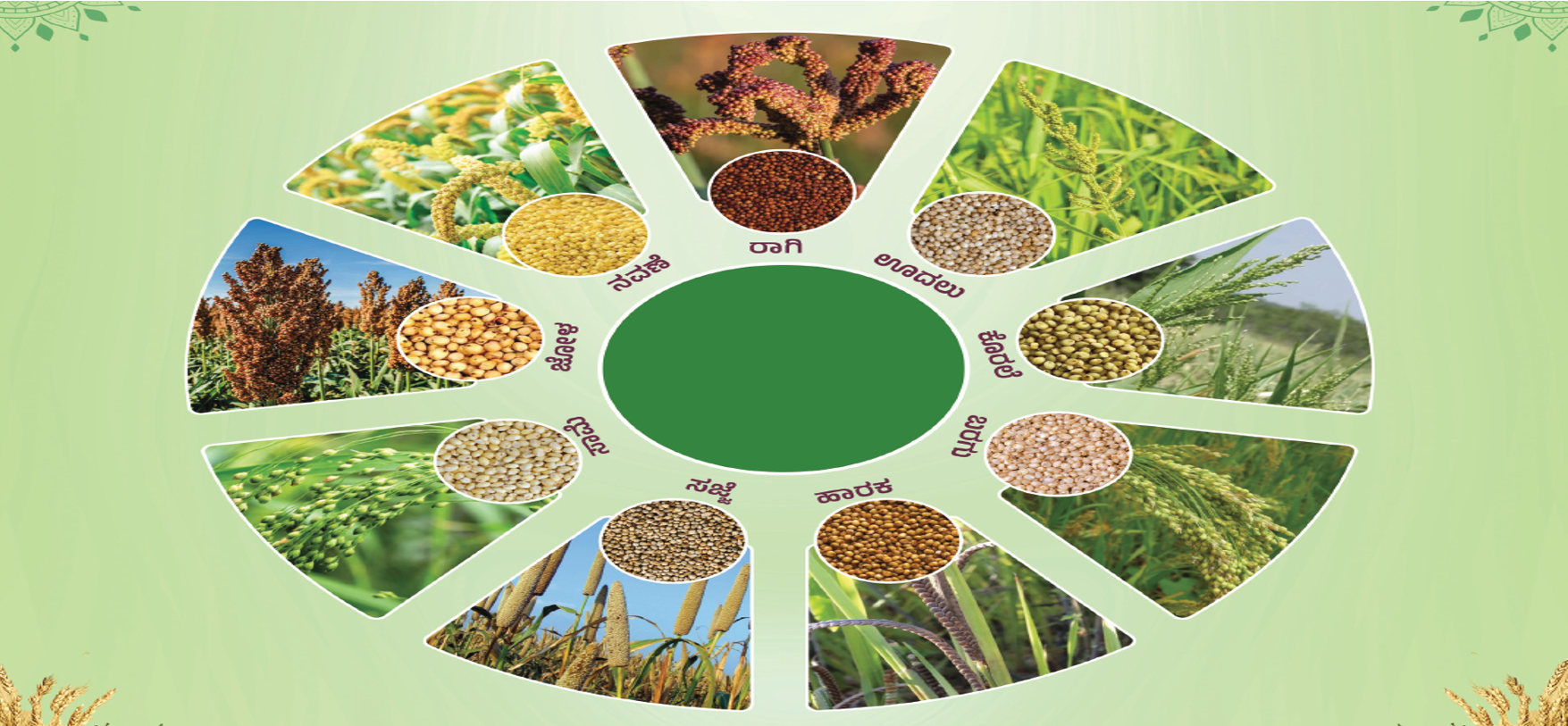
Millets are a powerhouse of calcium, iron, magnesium, phosphorus, and B vitamins. Ragi (finger millet), for example, is one of the best plant-based sources of calcium, essential for bone health.
4️⃣ Controls Blood Sugar Levels
Millets help regulate blood sugar levels, making them an ideal choice for diabetics. Unlike refined grains, they prevent spikes in blood glucose and improve insulin sensitivity.
5️⃣ Supports Heart Health
Loaded with antioxidants, magnesium, and potassium, millets help reduce bad cholesterol, regulate blood pressure, and keep the heart healthy. Their anti-inflammatory properties also protect against cardiovascular diseases.
6️⃣ Naturally Gluten-Free & Easy to Digest
Millets are a great alternative for those with gluten intolerance or celiac disease. They are easy to digest, making them a healthier option for people with digestive issues.
7️⃣ Environmentally Friendly & Sustainable
Millets require less water and fewer chemical inputs compared to rice and wheat, making them a sustainable crop for farmers. They grow well in dry regions, ensuring food security even in challenging climates.
How to Include Millets in Your Diet?
Incorporating millets into your meals is easy and delicious! You can use them in:
✔ Breakfast porridges – Ragi or foxtail millet porridge
✔ Healthy rotis and dosas – Bajra or jowar chapatis
✔ Millet-based salads and bowls – Tossed with veggies and nuts
✔ Wholesome millet khichdi or pulao – A fiber-rich alternative to rice
✔ Baked goods – Millet flour can be used in cookies, muffins, and breads